Nominated · International Design Award
Common Yield
Regenerative Waste-to-Energy Infrastructure
Community Based Circular System · SUST 439 / 739 · Annika Hogan, Vishva Chauhan, Sophia Mijares, Cory Novian, Vrisheeka · Professors Cathy J. Sakas and Scott Boylston
About
Damage Stimulating Growth
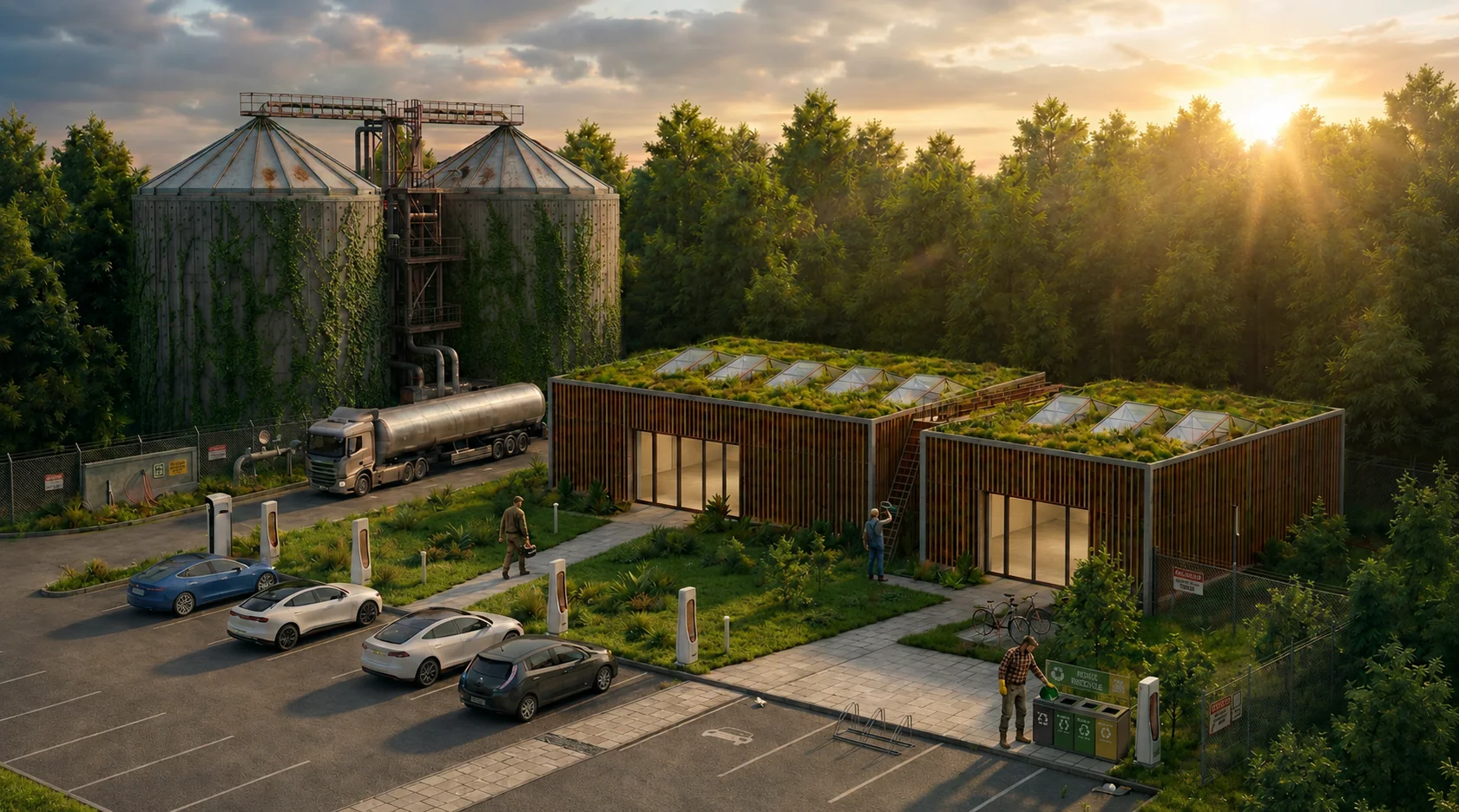
Rural farms and schools produce tons of manure and food waste that leak methane and nitrogen into the air and water. Common Yield is an anaerobic digester system for rural communities, inspired by Acropora coral’s regenerative functions. It turns organic waste into biogas, EV charging for tractors, school buses, and community vehicles, and digestate fertilizer that returns to the land. Farms supply manure, schools supply food waste and learning, and grants cover about 70% of costs. The loop builds healthier soil, cleaner transport, and rural cooperation through education and outreach.

-
Agriculture
(−) Manure & Feed Stock(+) Fertilizer & EV Energy
Farms reduce waste while giving nutrients back to the land.
-
Community
(−) Food & Natural Waste(+) Education & EV Energy
Value through outreach, education, energy, and fertilizer.
-
Energy
(−) Nitrogen & Methane(+) Biogas Based Energy
Power for EV charging and support cleaner local transportation.
The system
Centralized System
Shared inputs, shared returns
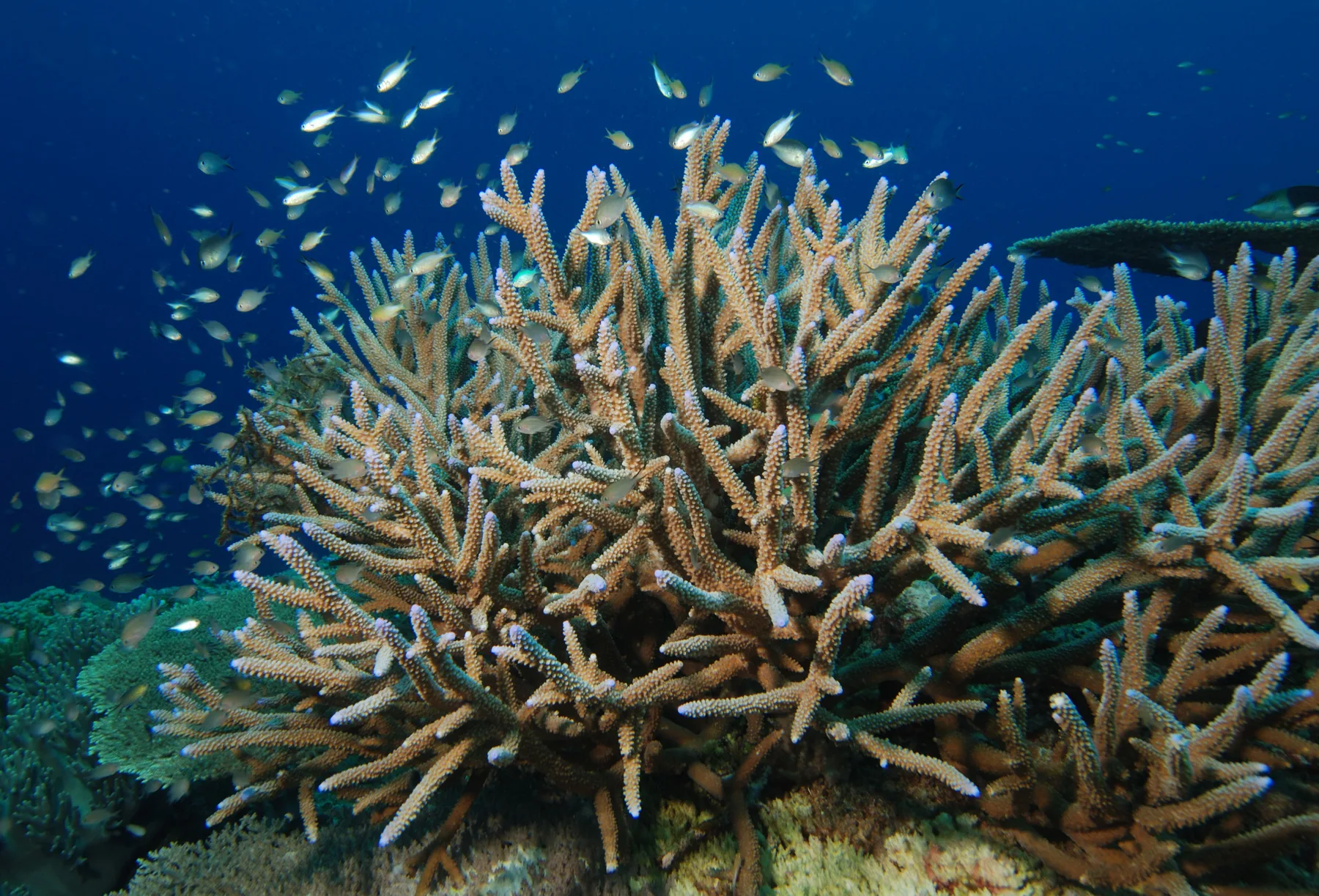
Our biomimetic mentor
Acropora Coral
Acropora coral demonstrates how living systems respond to damage through regeneration, cooperation, and rapid rebuilding. When fragmented, the coral does not simply break down; each piece can reattach, grow, and contribute to a stronger reef network. This became the foundation for Common Yield’s design principle: damage can stimulate a higher-energy regenerative system.
Disruption activates repair, growth, and renewal.
Executive Summary
Flip through all 26 pages.