Research Led Solutions
Built for those who answer the call.
Sophia Mijares
Capstone Fall 2026
Professor Levy
Student concept. Not affiliated with or endorsed by Hanes.
Inspiration
Firefighter Occupational Safety
Inspired by my admiration for firefighters and their dedication to protecting others, I wanted to better understand the occupational risks they face and the importance of protection in their everyday lives.
Challenge
Beyond Protective Equipment
Explore how the demanding environments firefighters navigate can inform a broader conversation about clothing, material innovation, garment care, and intentional purchasing decisions.
Opportunity
Rethinking Everyday Essentials
To develop a research-driven apparel and marketing concept that connects everyday comfort with material awareness, responsible garment care, and more informed consumer choices.
01 Problem statement
The danger doesn’t end when the fire is out.
- Group 1Occupational exposure as a firefighter is classified as carcinogenic to humans.
- Nearly 80%of IAFF member line-of-duty deaths in 2025. The IAFF identifies occupational cancer as the leading cause of line-of-duty death among its members.
The challenge extends beyond protective equipment to informed choices about what firefighters wear every day. What if the most overlooked risks are hiding in plain sight?
Uniform breakdown
Every layer has a purpose
-
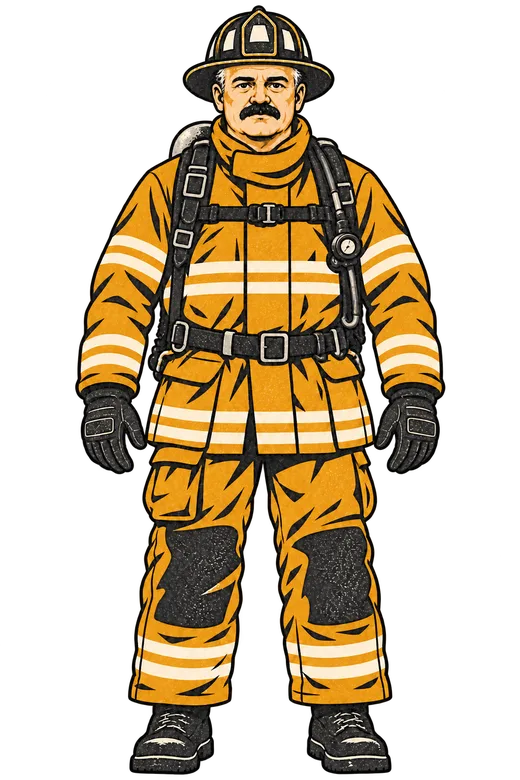
Turnout gear
- Helmet
- Suspenders
- Coat
- Khaki Pants
- Gloves
- Duty Boot
- SCBA & Air Tank
-
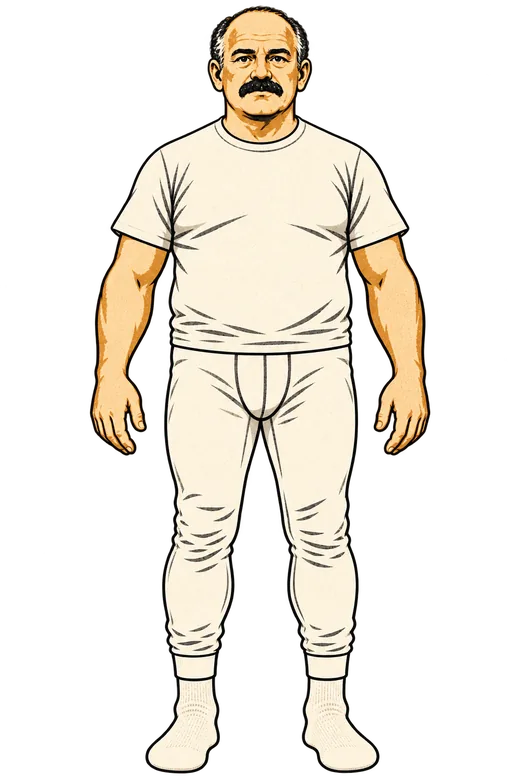
Base layers
- Particulate Hood
- T-Shirt
- Pants
- Undergarments
- Socks
-
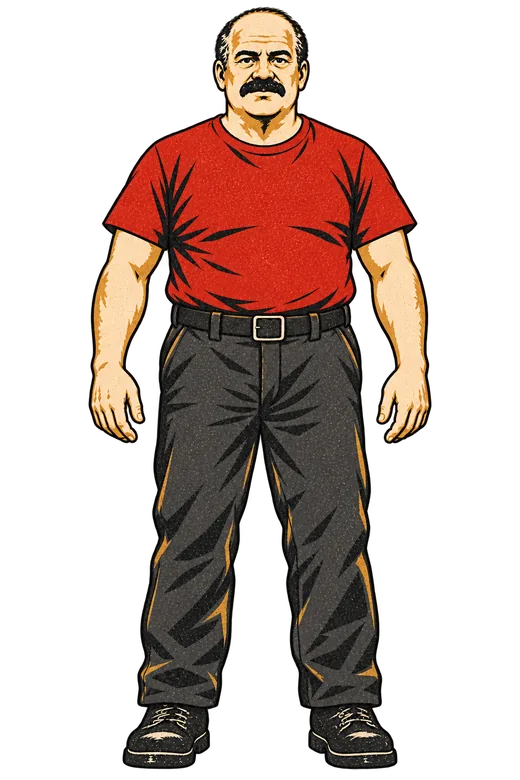
Station wear
- Loungewear
- Activewear
- Special Event Uniforms
- Belt
- Daily Boot
The outer layers are engineered.
What stays on when the gear comes off?
Their underwear.
Base layers are often overlooked
Despite being closest to the skin, everyday base layers can receive less attention in uniform selection.
Clothing lacks structured care
Purchasing, laundering, and replacement practices may be less standardized than those for protective equipment and outer gear.


02 Research
Understanding what’s underneath.
Established brand. New application.
An American essential · Comfort since 1901
- #1Innerwear brand in the United States
- $3.5B2024 net sales
- 9/10American homes reached, according to Gildan
- 125Years of heritage in everyday basics and innerwear
Key insights: Leverage comfort. Build awareness. Extend the lifecycle.Hanes’ accessible pricing, trusted heritage, and established distribution create an opportunity to introduce purpose-driven essentials.
Accessible essentials. Informed choices.
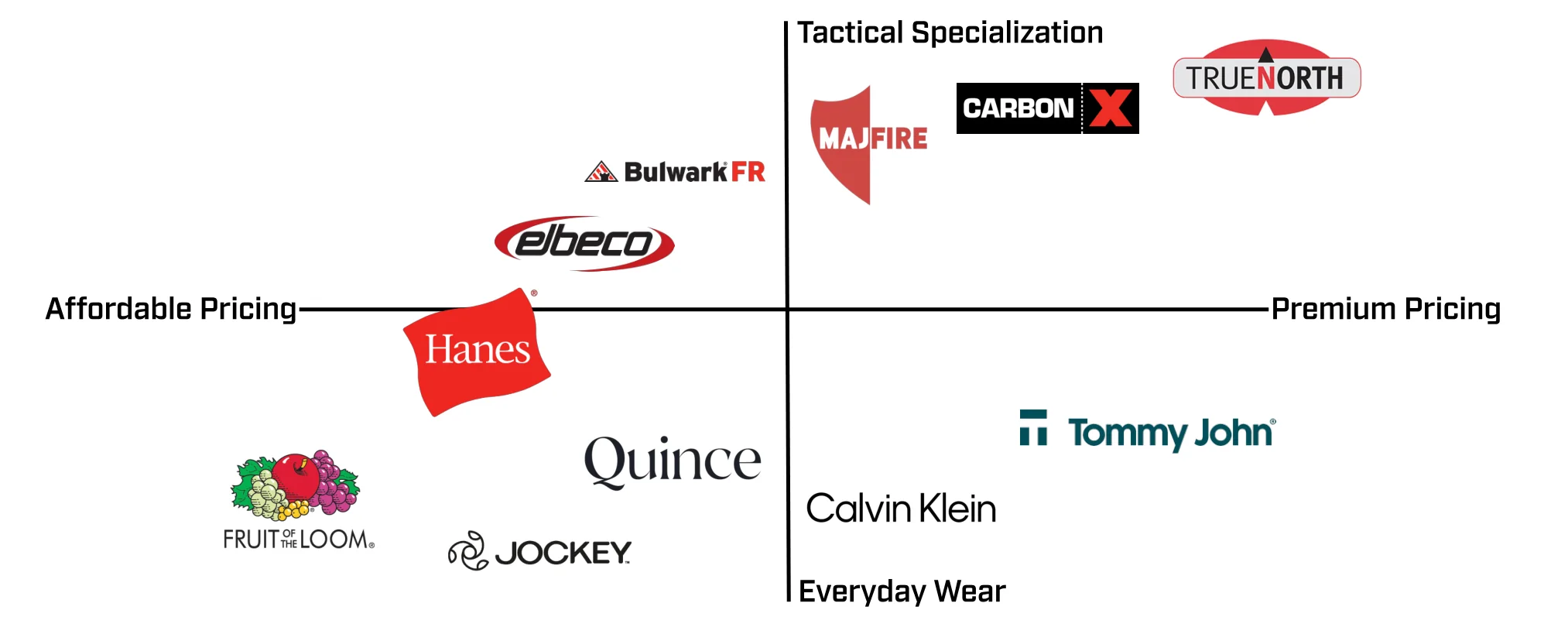
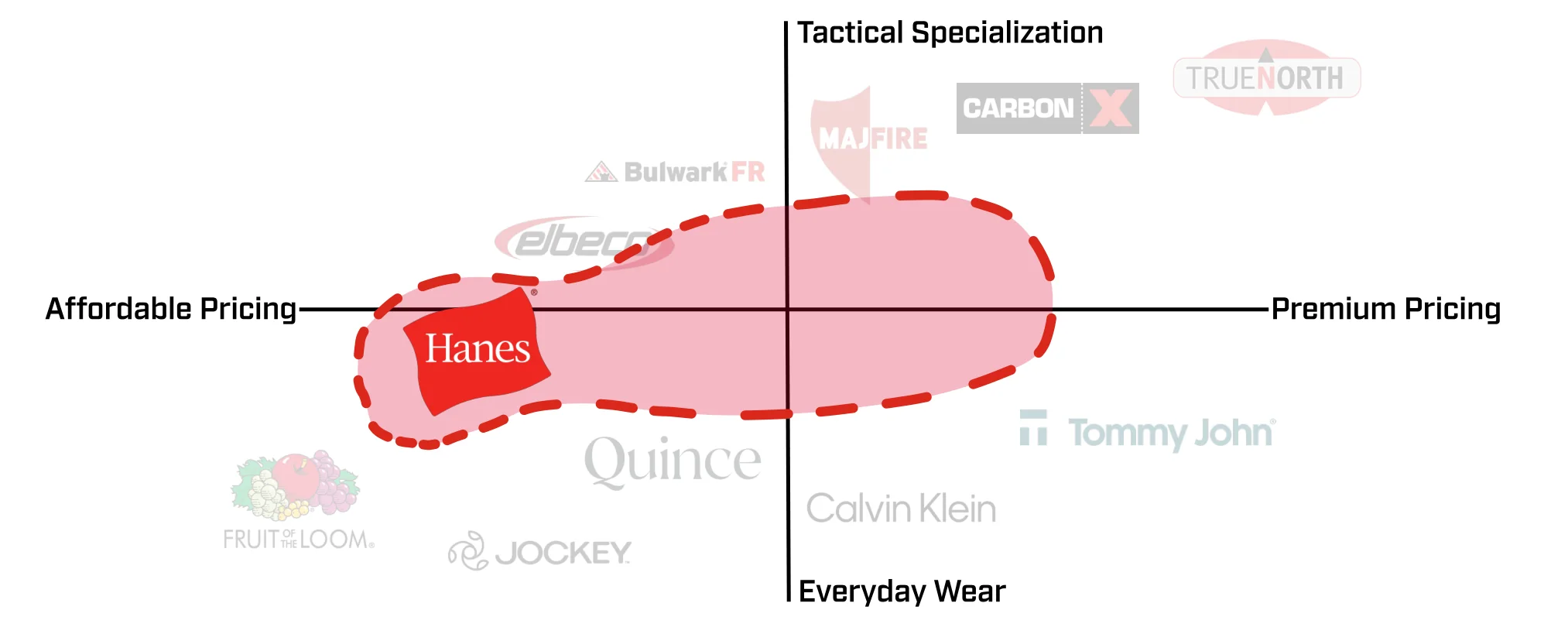
Competitive analysis
What they wearHow they careWhen to replace
Everyday essentials prioritize comfort and affordability, while specialized apparel emphasizes technical performance and protection. Between them lies an opportunity for accessible, purpose-driven base layers.
- 91%Material transparency. Of U.S. respondents consider clothing labels important information sources
- 89%Community. Of consumers say like-minded brand communities strengthen emotional connection
- 86%Comfort. Of U.S. consumers plan to purchase more comfortable clothing
Statistics based on BoF–McKinsey, 2026 report and Cotton Incorporated Global Report, 2025 surveys on consumers in the United States only.
The reality behind the uniform
Informed by a first-hand interview with an Atlanta firefighter of over 16 years
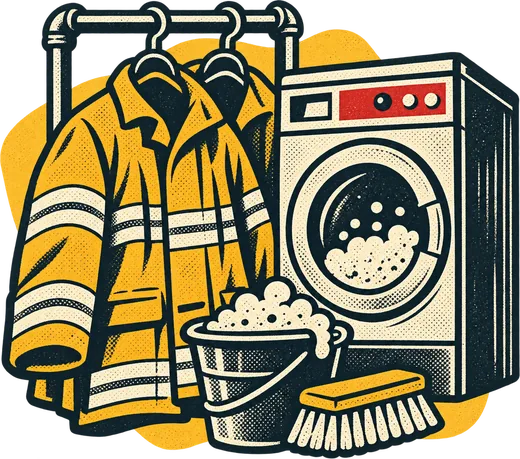
Department provided
Protective gear and station uniforms
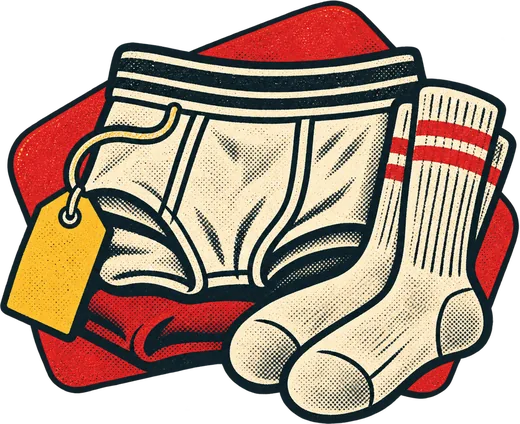
Personally purchased
Underwear and socks
Personal purchasing
The department provides protective equipment and station apparel; underwear and socks are personally purchased.
Established care routines
Two issued protective sets support equipment rotation during specialized cleaning.
Health & wellness
Annual health screenings, coaching, and wellness resources are available within some departments.
Peer influence
Colleague recommendations help introduce new products and build confidence in purchases.
Key insight: Protective routines are established. Personal essentials remain an individual decision.
03 The collection
What you wear closest matters.
HANES Know What You Wear is a firefighter-informed capsule of accessible, durable and practical base layers and station essentials, combining thoughtful material choices, practical garment education, and a guided system for care and responsible replacement.
Learn what you wear. How to care. & when to replace.
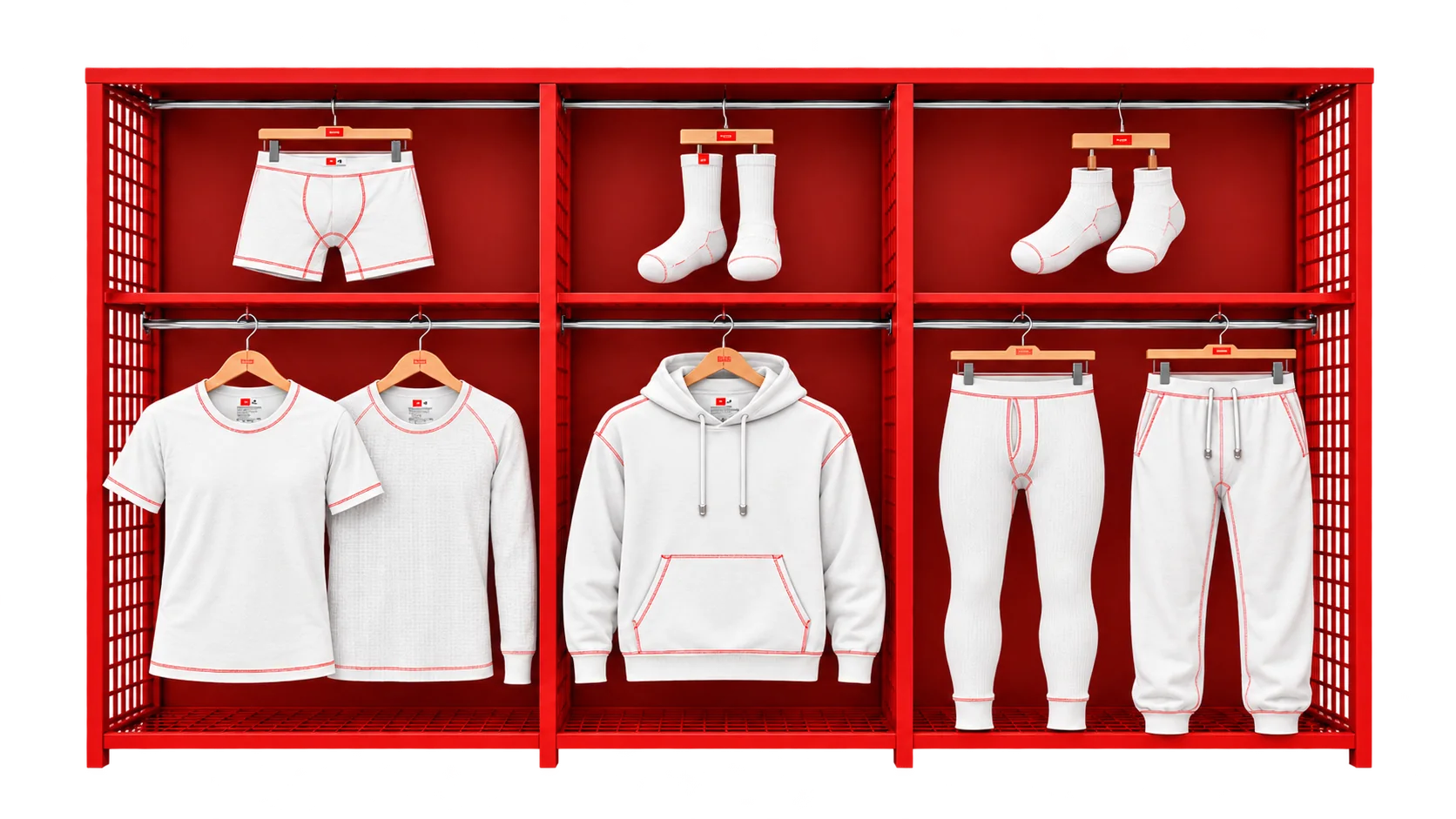
Line sheet
Practical. Informed. Health-conscious.
All styles: solid with red Nomex contrast stitch. Prices as shown on the line sheet.
Heavyweight Cotton Rib
100% cotton, non-melting fabric for comfortable everyday underwear
Engineered FR Blends
LENZING FR & Nomex blends for selected thermal & layering garments
Reinforced Knits
Terry cushioning & proposed aramid reinforcement for high-wear areas
Heavyweight GOTS Cotton
Premium GOTS-certified cotton for comfortable, durable stationwear
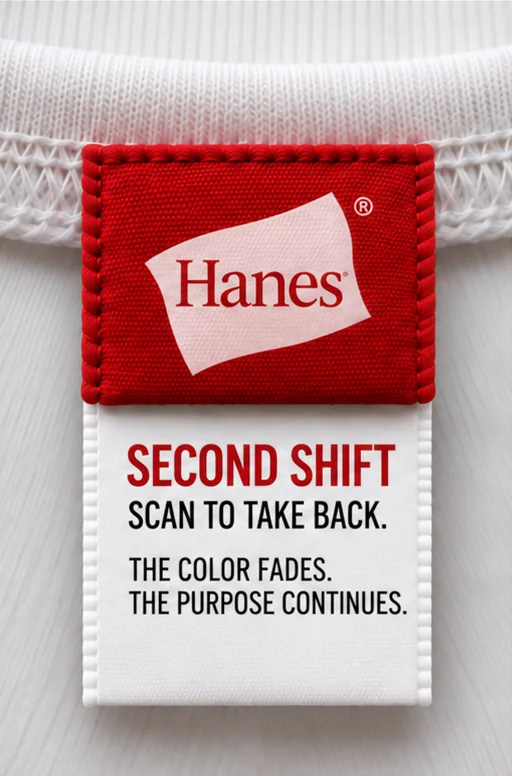
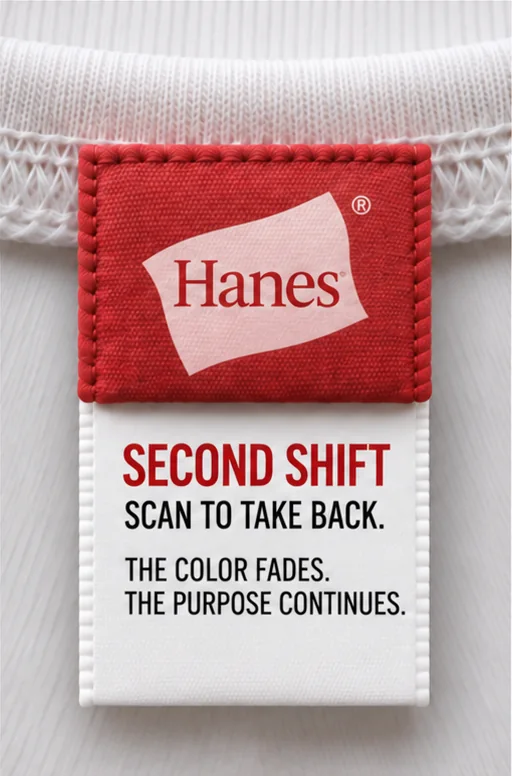
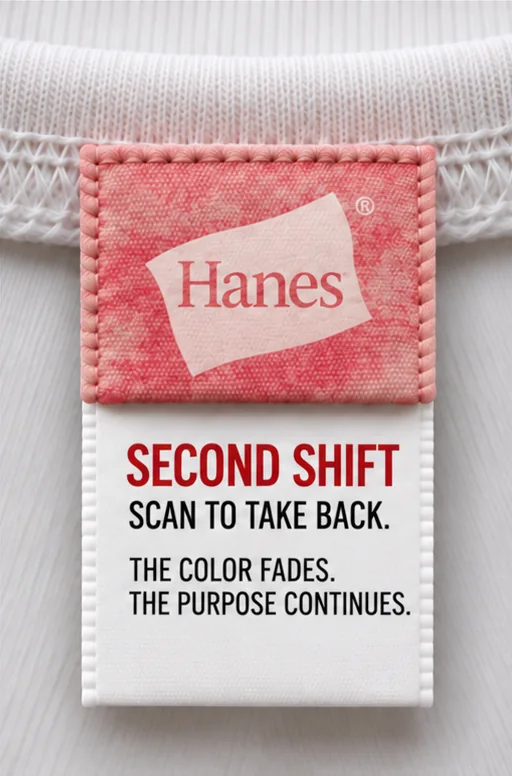
Drag to wash. The colour fades, the purpose continues.
Second Shift circularity program
Your gear has a life after the shift.
A visual reminder to review garment life. Second Shift proposes a wash-responsive red fabric tag designed to gradually fade through repeated laundering. Developed around a target of approximately 50 recommended washes, the indicator encourages consumers to review garment condition, access care guidance, and explore responsible return or replacement.
- 01
Scan QR code
Beneath the tag & through website
- 02
Review condition
Care guidance & return eligibility
- 03
Follow
Instructions for care, review, or return
- 04
Receive credit
Receive 20% credit once return is verified
- 05
Repeat & reorder
Continue the wear, care, review, & recovery
04 Integrated marketing plan
One campaign. Multiple ways to connect.
05 Financial feasibility
$5.49M in projected sales. Five revenue channels. One connected consumer journey.
- $1.5MProposed marketing budget
Prioritizes paid media ($480K), supported by creative production, digital education, and community activations.
- $345KCombined activation investment
5,000 stations. 12 laundromats. One goal. Proposed pilot markets: New York, Atlanta, Houston, and Los Angeles.
First-year projected sales revenue
- Hanes.comQR education, bundles, Second Shift reorders34%$1.87M
- Firehouse OrdersStation outreach + trial kits26%$1.44M
- Walmart + TargetGeneral retail rollout20%$1.08M
- Specialty Fire RetailersGalls, TheFireStore, L.N. Curtis12%$660K
- AmazonSearch + reviews8%$438K
Total$5.49M
Measuring growth
Campaign reach
2M+campaign impressions & 25,000 QR scansFirst 3 monthsPeer-to-peer
30%of purchases attributed to peer referralsFirst 6 monthsQR education
40%of QR visitors engage with educational resourcesFirst 9 monthsRetention
20%repeat-purchase rate12 months post launch
What you wear. How to care. When to replace.
It’s time to rethink what’s underneath.
Inside the process
The full process book, 81 pages
1 / 81